Education
How to Tell If Mold Is Toxic
How to Tell If Mold Is Toxic: A Homeowner's Guide to Identification and Protection
In this article
How to Tell If Mold Is Toxic: A Homeowner's Guide to Identification and Protection
Discovering mold in your home is concerning, but determining whether it's toxic adds another layer of worry. While all mold can potentially cause health issues, certain types produce mycotoxins—harmful compounds that pose serious health risks. Understanding how to identify toxic mold is essential for protecting your family's health and your property's value.
Understanding Toxic Mold vs. Regular Mold
Not all mold is created equal. While any mold growth in your home requires attention, toxic mold specifically refers to species that produce mycotoxins. These microscopic toxins can cause adverse health effects ranging from allergic reactions to severe respiratory problems and neurological symptoms.
The most notorious toxic mold is Stachybotrys chartarum, commonly called "black mold," but other species like certain types of Aspergillus, Penicillium, and Fusarium can also produce mycotoxins. The challenge is that you cannot determine if mold is toxic simply by looking at it—professional testing is the only definitive way to identify dangerous species.
Visual Signs That May Indicate Toxic Mold
While appearance alone cannot confirm toxicity, certain visual characteristics warrant immediate professional inspection:
Color and Texture: Toxic mold often appears dark—black, dark green, or grayish-black—with a slimy or fuzzy texture. Stachybotrys chartarum typically has a greenish-black color and appears wet or slimy rather than powdery.
Location: Toxic mold thrives in areas with persistent moisture. Look for growth behind walls with water damage, under sinks, around leaking pipes, in basements with high humidity, near HVAC systems, and in areas affected by flooding or roof leaks.
Associated Damage: Toxic mold growth often coincides with water stains, discolored walls or ceilings, peeling paint or wallpaper, warped surfaces, and cracking drywall.
The Telltale Musty Odor
One of the most reliable indicators of mold presence is a distinctive musty, earthy, or damp smell. This odor results from microbial volatile organic compounds (MVOCs) that mold releases as it grows. If you notice a persistent musty smell even without visible mold, it could indicate hidden growth behind walls, under flooring, or within HVAC systems.
The smell of toxic mold is often described as particularly pungent or "rotten," though odor alone cannot confirm toxicity. Any persistent musty smell in your home warrants investigation, as it indicates moisture problems and mold growth that could worsen over time.
Health Symptoms of Toxic Mold Exposure
Your body's reaction to mold can provide crucial clues about potential toxic exposure. While symptoms vary based on individual sensitivity and exposure duration, certain patterns may indicate toxic mold:
Respiratory Symptoms: Persistent coughing, wheezing, shortness of breath, nasal congestion, sinus infections, and throat irritation are common. Those with asthma may experience severe attacks.
Neurological and Cognitive Effects: Brain fog, memory problems, difficulty concentrating, headaches, dizziness, and confusion can result from mycotoxin exposure affecting the nervous system.
Eye and Skin Reactions: Red, watery, or itchy eyes; blurred vision; light sensitivity; skin rashes; hives; and burning sensations indicate allergic responses to mold spores.
Systemic Symptoms: Chronic fatigue, unexplained weakness, immune system suppression, digestive issues, and mood changes like anxiety or depression may occur with prolonged exposure.
According to the Centers for Disease Control and Prevention, individuals with compromised immune systems, chronic lung diseases, or mold allergies face heightened risks from toxic mold exposure.
When Professional Inspection Is Essential
Given that visual inspection and symptoms alone cannot definitively identify toxic mold, professional testing becomes crucial. At ProDetect Mold Inspection, we use advanced detection technologies to identify more than 50 mold types with 99.8% accuracy.
Professional inspection is particularly important when you detect a musty odor without visible mold, experience unexplained health symptoms that improve when away from home, discover water damage or leaks, are purchasing a home, or need post-remediation verification.
Testing Methods for Toxic Mold
Professional mold inspectors use several testing methods to determine mold type and toxicity:
Air Quality Testing: Collects airborne spore samples to identify mold species and concentration levels throughout your home.
Surface Sampling: Direct swabs or tape lifts from suspected mold growth provide samples for laboratory analysis.
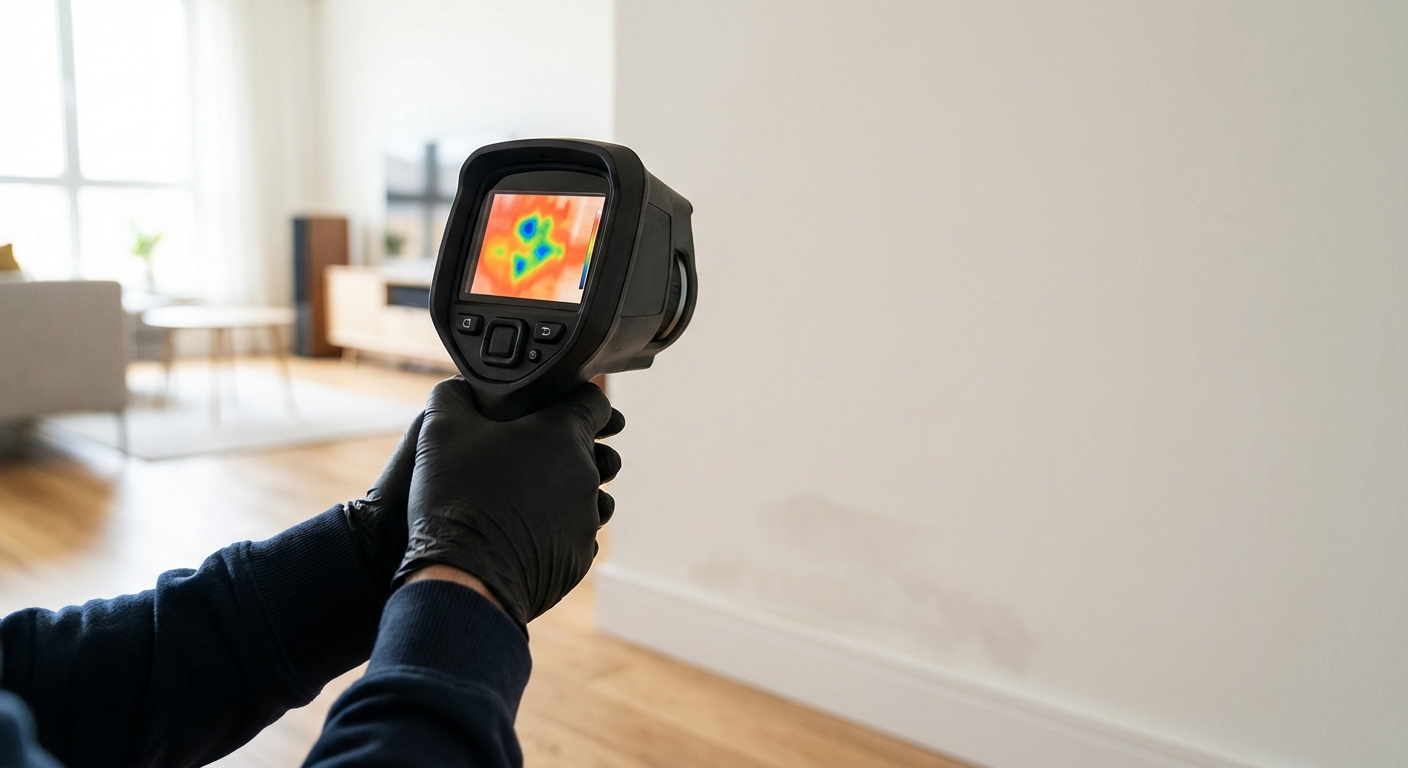
Moisture Detection: Thermal imaging and advanced moisture meters locate hidden water sources feeding mold growth.
Laboratory Analysis: Samples undergo detailed examination to identify specific mold species and determine if they produce mycotoxins.
These comprehensive testing methods provide the accurate information needed to develop effective remediation strategies and protect your health.
Taking Action Against Toxic Mold
If you suspect toxic mold in your home, taking prompt action is essential:
- Avoid disturbing the mold, as this releases more spores into the air
- Contact a certified mold inspector for professional testing and assessment
- Address moisture sources immediately by fixing leaks and reducing humidity
- Document the problem with photos and notes about symptoms or damage
- Follow professional remediation guidance for safe, effective mold removal
Remember that DIY mold testing kits have limitations. While they can detect mold presence, they cannot accurately identify species or toxicity levels. Professional inspection provides comprehensive analysis and expert guidance for remediation.
Protecting Your Home and Health
Prevention remains the best defense against toxic mold. Maintain indoor humidity between 30-50%, promptly repair water leaks, ensure proper ventilation in bathrooms and kitchens, use exhaust fans, regularly inspect prone areas, and address water damage within 24-48 hours.
With over 24 years of experience and 200,000 completed inspections, ProDetect Mold Inspection understands the serious nature of toxic mold concerns. Our advanced detection technology, unbiased reporting, and comprehensive analysis ensure you receive accurate information to protect your family's health and your property's value.
If you're experiencing concerning symptoms, detecting unusual odors, or simply want peace of mind about your indoor air quality, professional mold inspection provides the answers you need. Don't wait for toxic mold to compromise your home and health—early detection and proper remediation are key to maintaining a safe living environment.