Home Safety
You Found Mold, Now What?
A Step-by-Step Guide to Professional Mold Inspection Methods
In this article
You Found Mold, Now What? A Step-by-Step Guide to Professional Mold Inspection Methods
Discovering mold or experiencing unexplained allergy symptoms in your home can feel incredibly stressful, but there is absolutely no need to panic. Taking a friendly, data-driven approach is the best way to protect both your property's value and your family's health. This guide will walk you through exactly what to do next using scientific, professional mold inspection methods so you can confidently reclaim your sanctuary.
Prerequisites: What to Know Before You Begin
Before jumping into action, it is important to gather some baseline information. Start by documenting any physical health symptoms you or your family are experiencing, such as sudden allergies, headaches, or respiratory issues. Note any areas in your home with musty odors or visible signs of water damage, as these are prime indicators of a moisture problem.
Next, secure the suspected area. It can be tempting to grab a sponge and bleach, but you should avoid touching or cleaning the mold yourself. Disturbing a mold colony can release airborne spores, spreading the contamination to other rooms. Finally, understand your testing options. When weighing a mold air quality testing vs DIY kit, remember that a basic test kit lacks the comprehensive data needed to find the hidden source or measure true indoor air quality. A professional assessment provides the exact metrics required to solve the problem permanently.
Step 1: Choose Unbiased Mold Testing Services
When it comes to addressing a mold issue, the most critical step is avoiding the "mold inspection trap." You should never hire the same company to inspect your home and remove the mold. Doing so creates a major conflict of interest, as some contractors might find problems just to get paid to fix them. Separating these services guarantees a conflict-free, honest assessment.
To protect yourself, choose unbiased mold testing services from an inspection-only company like ProDetect Mold Inspection. Because ProDetect only inspects and does not perform remediation, you can trust that your results are 100% unbiased, data-driven, and completely free from any remediation kickbacks. This gives you the confidence to make informed decisions without worrying about unnecessary repairs.
Step 2: Pinpoint the Root Cause with Advanced Technology
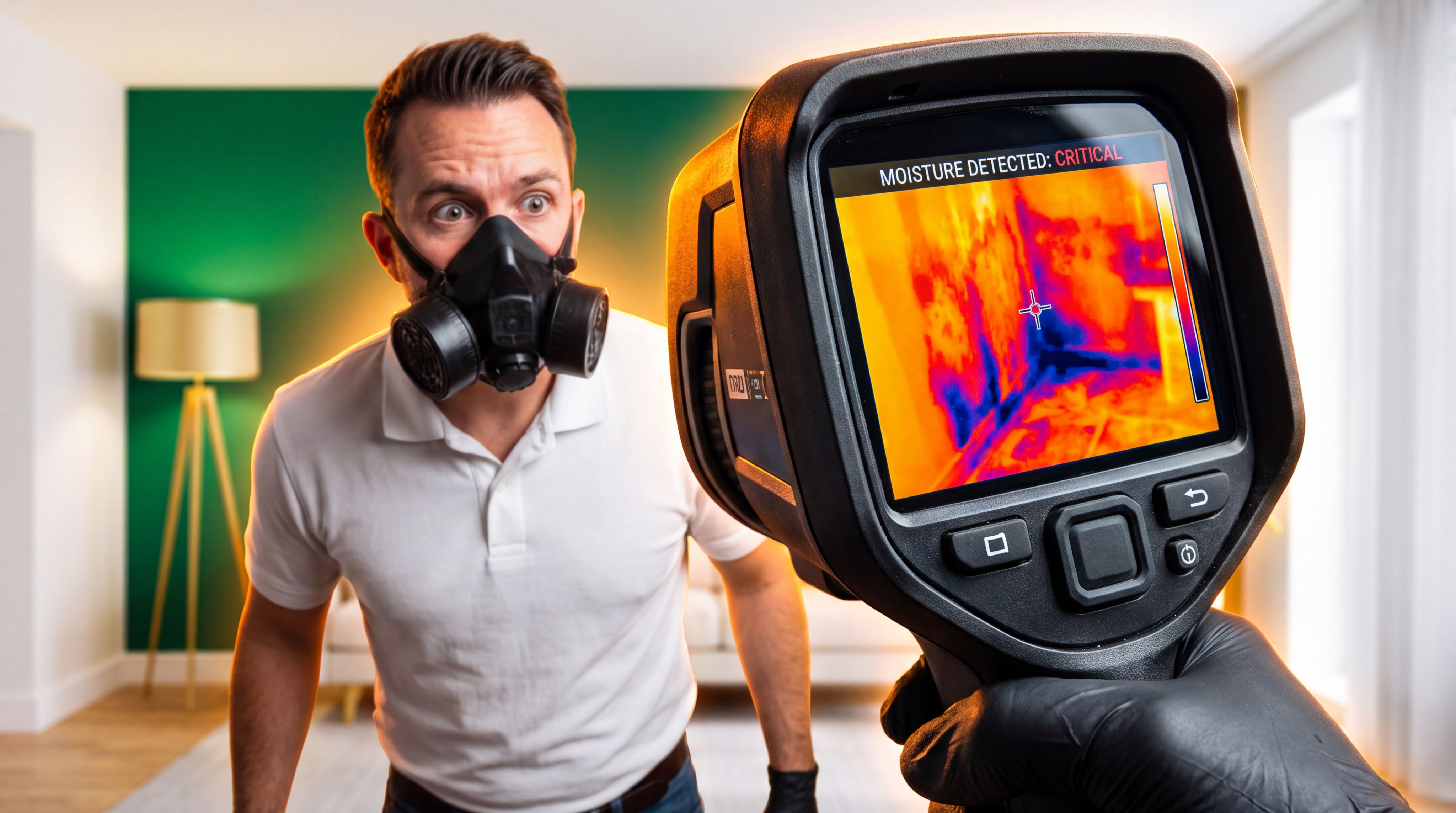
A thorough inspection goes far beyond just looking around with a flashlight. To truly understand an issue, professionals use hidden mold detection thermal imaging and advanced moisture meters. These tools are essential for finding the exact source of water intrusion hiding behind your walls, under your floors, or up in your ceiling.
The primary goal here is to focus on the root cause. Mold is simply a symptom of an underlying moisture problem. By identifying the hidden moisture source, you ensure that you stop the mold from ever coming back. ProDetect Mold Inspection utilizes state-of-the-art technology to detect these hidden issues with an impressive 99.8% accuracy rate, giving you premium detection methods that validate your investment.
Step 3: Analyze the Data with Air and Surface Testing
Once the physical inspection is complete, it is time to gather empirical evidence. Professionals utilize air quality testing to compare indoor and outdoor spore counts. According to standard testing guidelines, indoor air quality is categorized into four stages. Stage 1 (Trace) indicates less than 500 spores per cubic meter, while Stage 4 (High) means there are more than 3,000 spores per cubic meter, signaling a severe issue.
In addition to air testing, surface swab and tape testing help determine the severity of localized contamination. This scientific data removes the guesswork, revealing exactly what types of mold are present and how concentrated the spores are in your living environment.
Step 4: Review Your Report and Plan Next Steps
If you are wondering what to do after finding mold in house, the answer lies in your final inspection report. A professional mold report should be detailed enough for an insurance adjuster but clear enough for you to understand. This legally sound document is invaluable if you need a mold inspection for insurance claim purposes or for resolving tenant-landlord disputes.
Your report serves as an actionable roadmap for your chosen remediation crew, ensuring they follow comprehensive procedures like using air scrubbing devices, applying antimicrobial treatments, replacing contaminated materials, and controlling humidity. Finally, always schedule post remediation verification testing. This crucial final step scientifically confirms the effectiveness of the mold removal, giving you complete peace of mind.
Pro Tips and Common Mistakes to Avoid
-
Mistake: Hiring a contractor who finds problems just to get paid to fix them. This conflict of interest can lead to inflated costs and unnecessary demolition. Always keep inspection and remediation completely separate.
-
Mistake: Skipping the investigation of the root moisture cause. If you do not fix the leak or humidity issue, the mold will inevitably return.
-
Tip: Always use indoor air quality testing for mold spores to correlate your indoor air quality (IAQ) metrics with your physical health symptoms. Having scientific proof helps validate your concerns.
Conclusion
Handling a mold issue requires a scientific, unbiased approach to accurately identify the root cause and protect your health and property. Do not leave your sanctuary to chance by relying on guesswork or conflicted contractors. ProDetect understands the urgency of your situation, which is why we offer a 24-hour response time and rapid lab results to get you answers quickly.
For a 99.8% accurate, conflict-free inspection, trust the experts who have completed over 200,000 inspections nationwide. Contact ProDetect Mold Inspection today at 833-659-3463, email us at hello@prodetectmold.com, or visit https://www.prodetectmold.com to schedule your expert assessment.